
Liberia Reaffirms Commitment to Regional Peace and Security at MRU Expert Meeting
Freetown, Sierra Leone | July 10, 2026
The Government of Liberia has reaffirmed its commitment to regional integration, peaceful coexistence, and collective security as the Third Ordinary Session of the Mano River Union (MRU) Expert Meeting on Peace, Security, and Defense opened in Freetown, Sierra Leone.
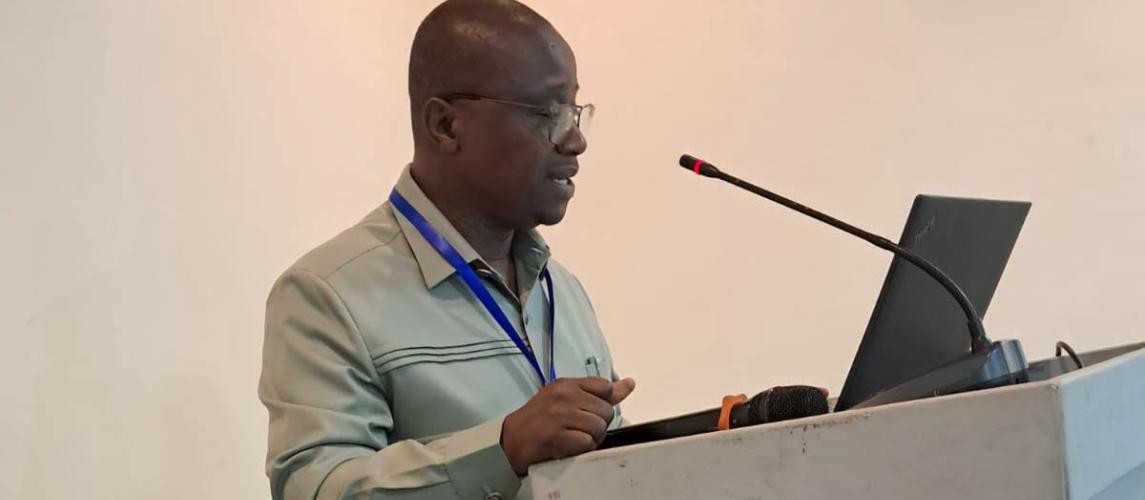
Delivering remarks on behalf of Hon. F. Sakila Nyumalin, Sr., Minister of Local Government, Deputy Minister Hon. Edward K. Mulbah emphasized Liberia’s dedication to strengthening cooperation among the four MRU member states: Liberia, Sierra Leone, Guinea, and Côte d’Ivoire. The Liberian delegation expressed appreciation to the MRU Secretariat for convening the two-day technical meeting and extended gratitude to the Government of Sierra Leone for hosting the gathering.
Key Themes Highlighted by Liberia
-
Local Government Leadership: Liberia underscored the vital role of local governments in engaging citizens and collaborating with defense institutions, law enforcement, immigration authorities, and other security actors to promote peace and stability in border communities.
-
Shared Destiny: Reflecting on the MRU’s 50-year history, the delegation noted that the destinies of member states are interconnected, particularly in border regions where common challenges demand collective solutions.
-
Pressing Cross-Border Concerns: Liberia identified insecurity linked to smuggling, armed groups, and boundary disputes; barriers faced by informal traders, especially women; inadequate coordination during public health emergencies; poor infrastructure that isolates border communities; and tensions arising from transnational migration.
Opportunities for Regional Growth
Liberia highlighted the potential of MRU instruments such as the Convention on Free Movement, Joint Border Posts, and the Cross-Border Trade Initiative. The delegation argued that effective implementation would:
-
Promote sustained economic growth through formalized trade
-
Strengthen security via joint patrols and intelligence sharing
-
Enhance social cohesion among culturally linked communities
-
Improve resilience to health and other emergencies
Calls to Action
Liberia issued three major recommendations:
-
Governments: Research historical boundary issues, complete border demarcation, strengthen border institutions, and provide training on ECOWAS and MRU protocols.
-
Communities: Empower traditional leaders and youth as frontline advocates for peace, crime prevention, and protection of cross-border traders.
-
Development Partners: Invest in roads, markets, and health facilities to transform border regions into hubs of opportunity.
The delegation reiterated that “A strong border is not a wall. A strong border is a busy market, a joint health clinic, and children who go to school without fear.”
Strengthening Community-Based Peacebuilding
Liberia urged a greater focus on the implementation of regional frameworks and measurable improvements in the lives of border communities. Recommendations included:
Expanding community-based conflict prevention mechanisms involving chiefs, women, youth, teachers, and opinion leaders
Institutionalizing the Joint Council of Chiefs and Elders Meeting (JCCEM) as a permanent interface between political leadership and local communities, extending it beyond Liberia–Côte d’Ivoire to include borders with Guinea and Sierra Leone
Integrating grassroots perspectives into regional peace and security initiatives to address land disputes, trafficking, migration, and climate challenges
Conclusion
The Liberian delegation expressed optimism that the two-day session would yield practical outcomes to strengthen peace, security, and development across the Mano River Union region. Liberia reaffirmed its readiness to work with member states, traditional leaders, youth, and development partners to ensure that border management fosters development and unity rather than division.
