
Ministry of Local Government Hosts First Meeting of the Inter‑Ministerial Working Group (IWG) on Infrastructure
Ministry of Local Government Hosts First Meeting of the Inter‑Ministerial Working Group (IWG) on Infrastructure
On April 30, 2026, the Ministry of Local Government hosted the inaugural meeting of the Inter‑Ministerial Working Group (IWG) on Infrastructure, marking a major step toward strengthening coordination across government institutions and ensuring more effective delivery of national development projects.
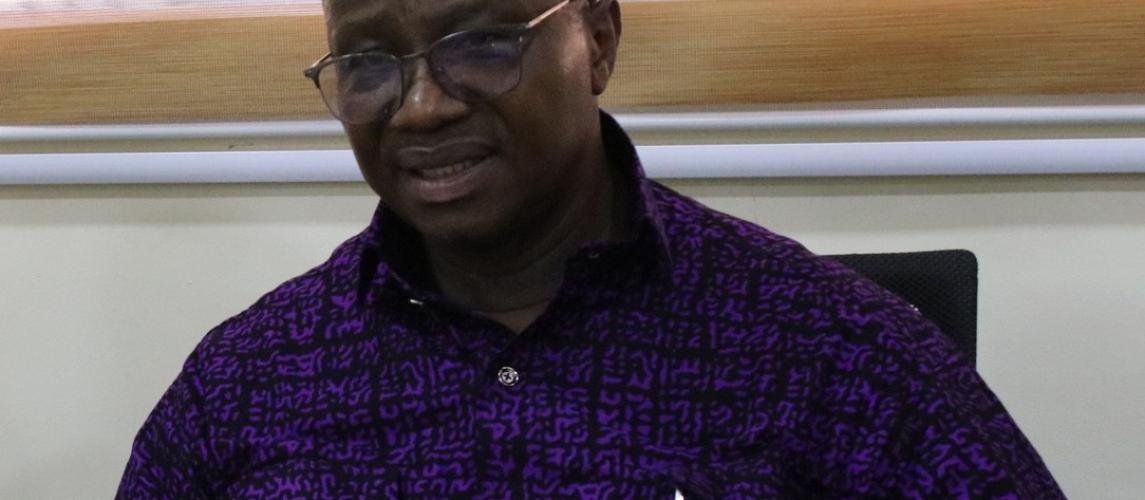
Opening the session, Deputy Minister for Local Government and Decentralization, Hon. Edward K. Mulbah, emphasized that the lack of coordination in infrastructure development has historically led to duplication, delays, and waste of scarce resources. He noted that the establishment of the IWG is a critical mechanism to harmonize planning and implementation, ensuring that infrastructure projects are aligned with Liberia’s national priorities.
Purpose and Objectives of the IWG
The Inter‑Ministerial Working Group on Infrastructure is designed to:
-
Improve collaboration among ministries and agencies.
-
Ensure efficient use of resources by reducing duplication and overlapping projects.
-
Strengthen planning and approvals to minimize delays and bottlenecks.
-
Align infrastructure development with Liberia’s broader national agenda, including decentralization and inclusive growth.
The inaugural meeting brought together representatives from key ministries and agencies to address pressing challenges such as overlapping projects, fragmented planning, and gaps in monitoring. The Ministry of Public Works chairs the IWG, with the Ministry of Local Government serving as a key coordinating partner to ensure that county‑level needs are integrated into national infrastructure strategies. Deputy Minister Mulbah stressed that infrastructure is the backbone of national development, and its success depends on collaboration across government institutions. He reaffirmed the Ministry’s commitment to decentralization, noting that counties must benefit directly from infrastructure investments to improve livelihoods and foster equitable growth.
The meeting concluded with a shared commitment among participants to strengthen inter‑agency dialogue, streamline project approvals, and build smarter, more coordinated infrastructure for Liberia’s future.
Together, we are laying the foundation for a more connected, efficient, and citizen‑centered Liberia through smarter infrastructure planning and delivery.
